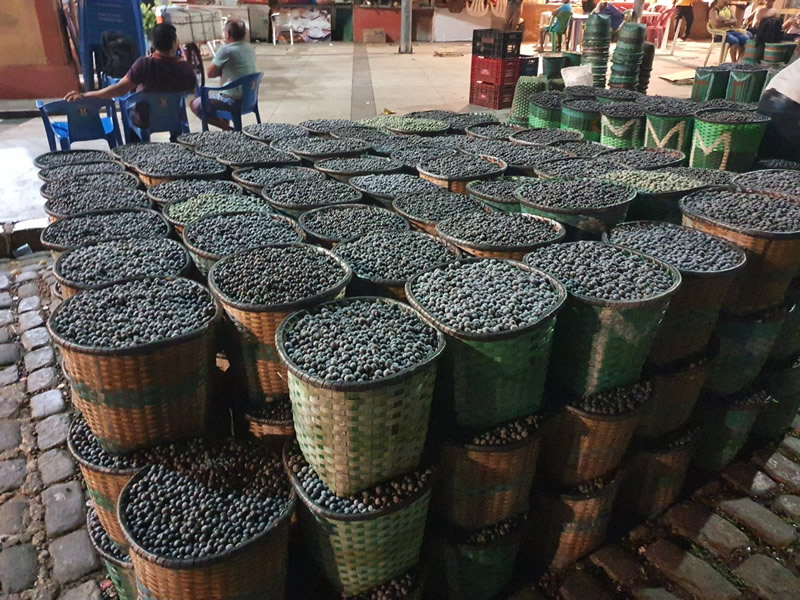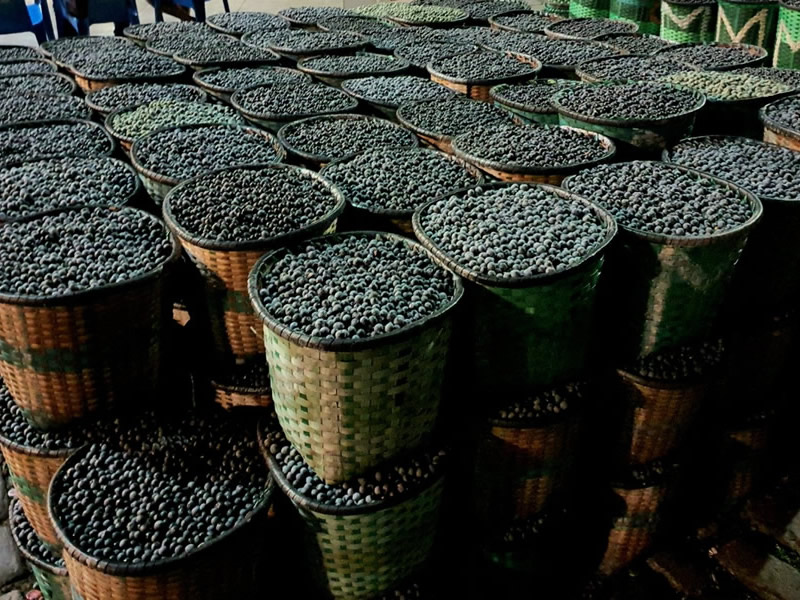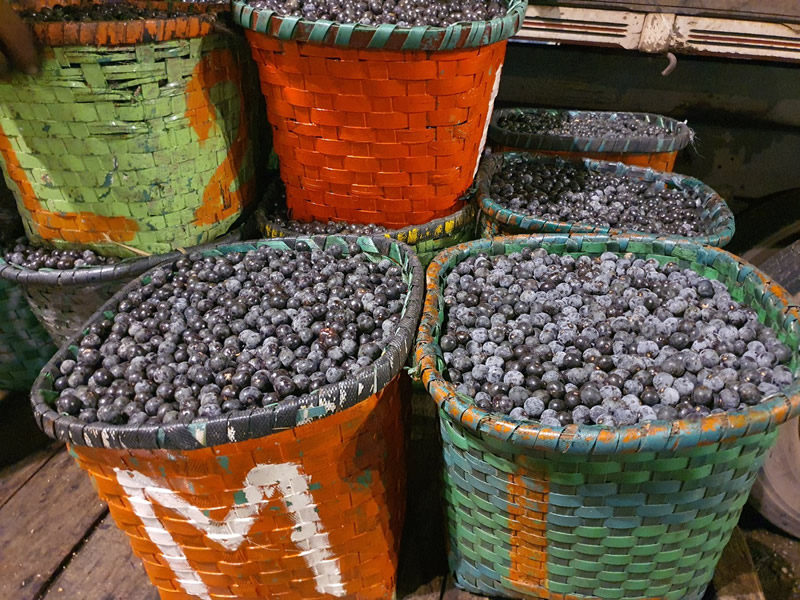
Açaí is the symbol fruit and staple food of the Amazonian culture.
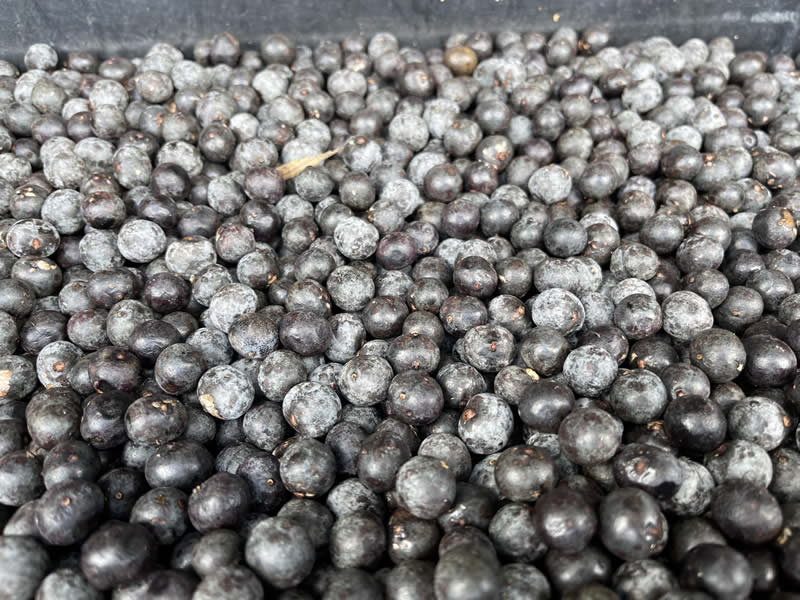
Dark purple in color, açaí won the hearts of Brazilians for its unique flavor and high nutritional properties.
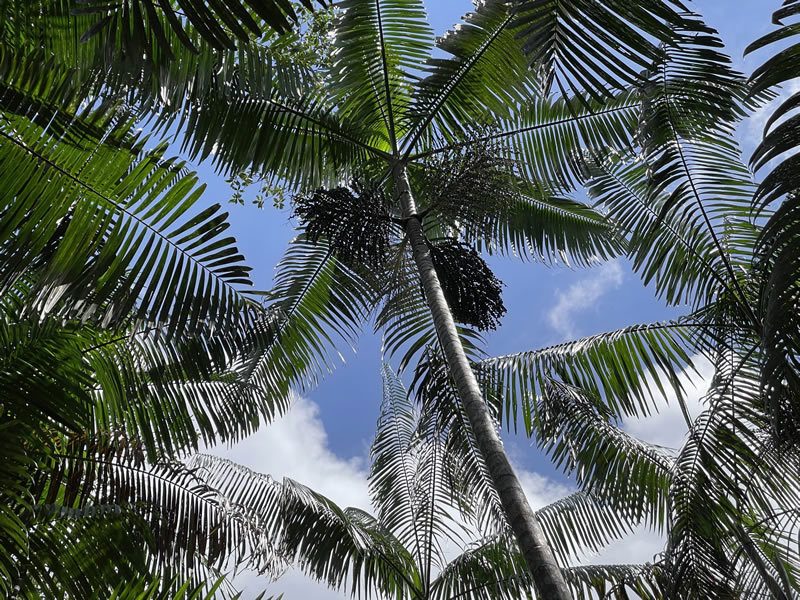
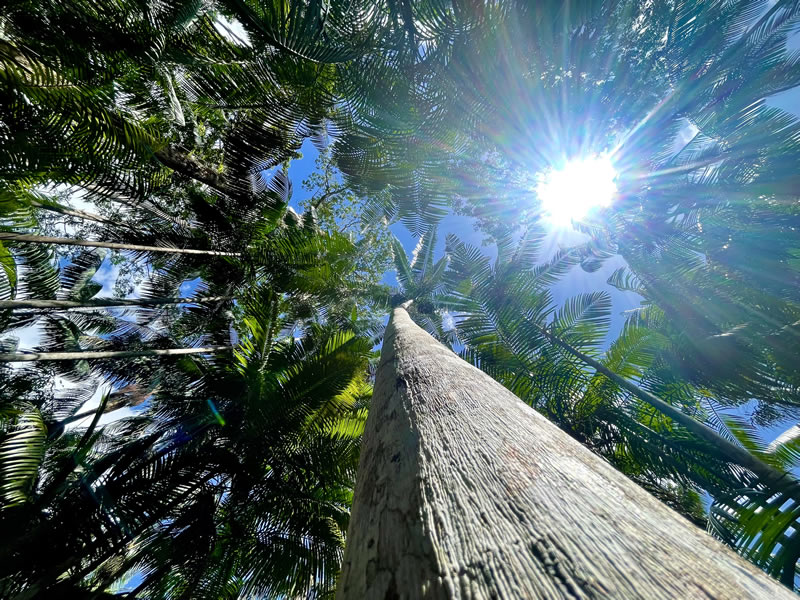
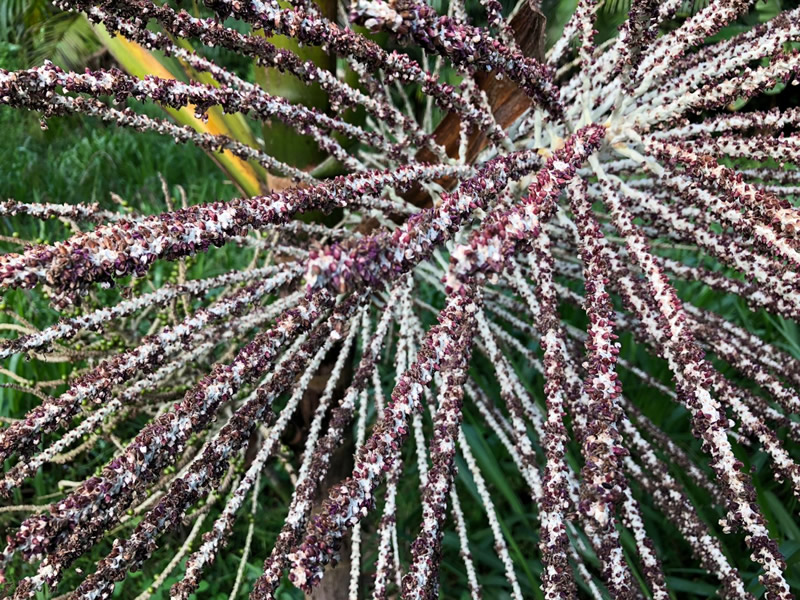
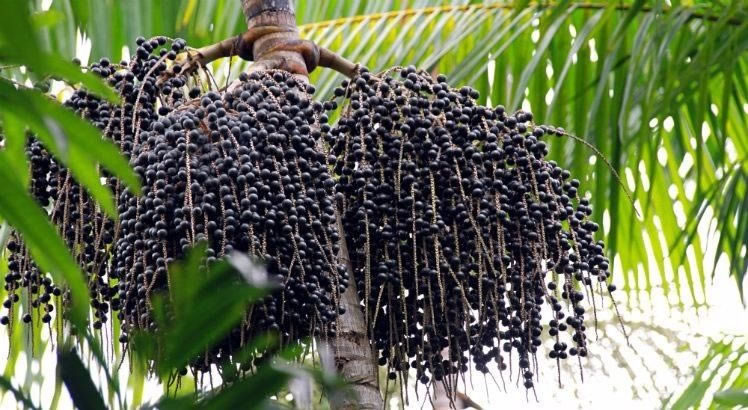
The açaizeiro or açaí palm (Euterpe oleracea) is a monocot of the Arecaceae family, native to the Amazon region, reaching more than 20 meters in height. Its fruit is formed in bunches and each palm usually produces about four bunches a year, each with approximately three to six kilos of fruit.
Indigenous Mythology
Its name comes from a Tupi word that means "fruit that cries". People with little imagination say it's because of the juice the fruit produces, but legend says it's because, long before açaí appeared in more than 3 million hashtags on Instagram, the fruit was born in tears.
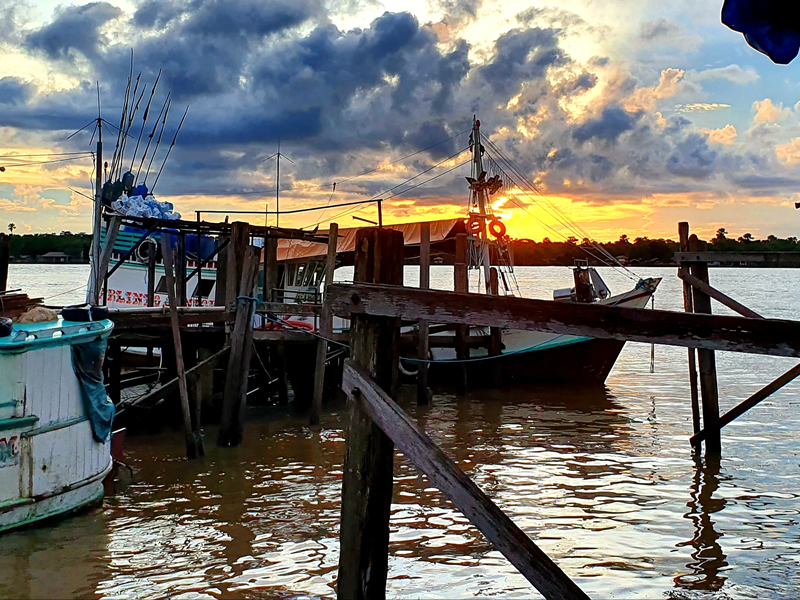
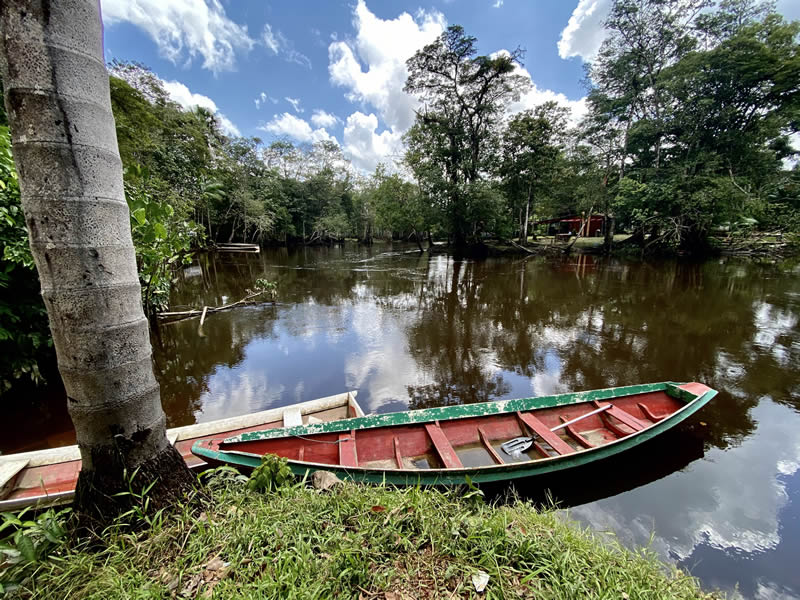
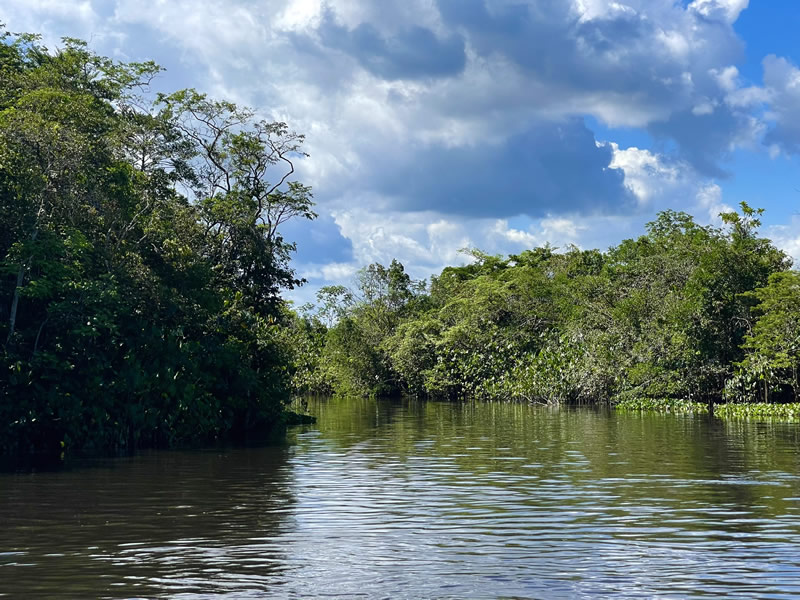
According to legend, before Portuguese ships arrived in Brazil, a large Tupi group lived in the region where the city of Belém is now located, in the state of Pará. But as the population grew, there was less and less food available.
Seeing his people starve, Itaki, the leader of the group, ordered that every newborn child be sacrificed to keep the population under control until a more abundant source of food could be found. He made no exceptions to this order, even when his own daughter Iaçã became pregnant and gave birth to a girl.
The young mother cried for days after losing her daughter and prayed that the god Tupã would show another way to save the group from hunger and suffering. One night, Iaçã heard a child crying and, as he entered the forest, he saw his daughter sitting at the foot of a palm tree. She stretched out her arms and ran towards the child, but the baby instantly disappeared into the embrace. Inconsolable, Iaçã fell on the palm tree crying with a broken heart.
At sunrise, her body was found hugging the trunk of the palm tree, but her face now looked serene. Iaçã's black eyes were turned towards the top of the tree, where small, dark fruits were seen. The men of the community picked the fruit, releasing its thick, nourishing juice between their fingers. Itaki realized that it was a blessing from Tupã and named the fruit in honor of his daughter (only with the letters backwards). The order to sacrifice babies was ended, and the group never went hungry again.
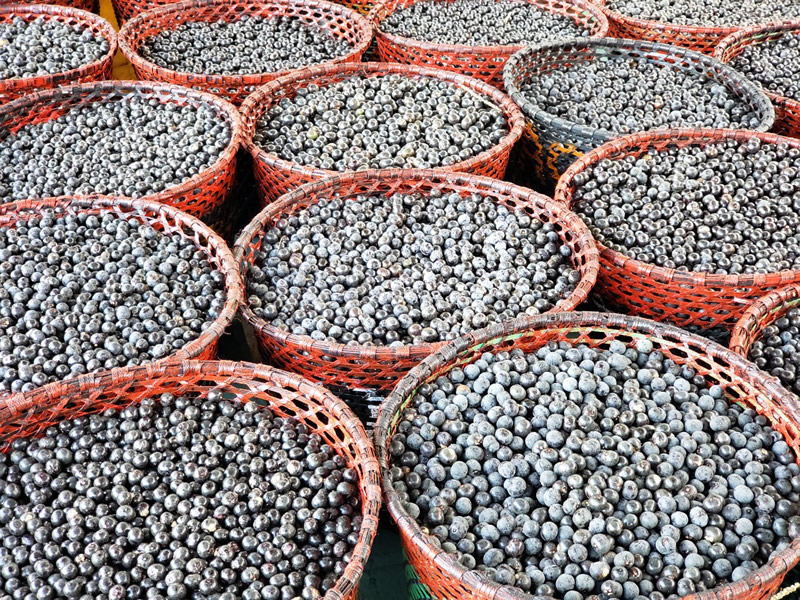
Açaí pulp is famous for its energizing and rejuvenating properties, but above all for its delicious flavor, a mixture of dark fruits and chocolate. Brazil is responsible for 85% of the world production of açaí, more than 1.25 million tons per year - enough to fill 500 Olympic swimming pools. The fruit has become a new national symbol, from its Amazonian origins to the beaches of Rio de Janeiro and its funk.
Did you know?
In Brazil, about 90% of açaí production is in the state of Pará.
The benefits of Açai
Helps reduce bad cholesterol (LDL)
Increases good cholesterol (HDL)
Fiber source
Rich in Vitamin B1, C and E
It has anthocyanin, an antioxidant substance allied to the prevention/delay of cardiovascular diseases, cancer and neurodegenerative diseases.
Power supply